





Can MPPT charge controllers improve inverter efficiency?
- 1. How do MPPT charge controllers optimize power inverter performance?
- 2. What are the key benefits of integrating MPPT charge controllers with power inverters?
- 3. Are there any compatibility issues when combining MPPT charge controllers with existing power inverters?
- 4. What are the common challenges faced when integrating MPPT charge controllers with power inverters?
- 5. How can users troubleshoot common issues when integrating MPPT charge controllers with power inverters?
- 6. What are the long-term advantages of integrating MPPT charge controllers with power inverters?
1. How do MPPT charge controllers optimize power inverter performance?
MPPT (Maximum Power Point Tracking) charge controllers play a pivotal role in enhancing power inverter efficiency by continuously adjusting the operating point of solar panels to extract maximum power. Unlike traditional controllers, MPPT controllers dynamically track and adjust to the optimal voltage and current levels, ensuring that the inverter receives the highest possible energy input. This real-time optimization is particularly beneficial under varying environmental conditions, such as fluctuating sunlight and temperature, where traditional controllers may fail to maintain optimal performance. By maximizing the energy harvested from solar panels, MPPT controllers contribute to a more efficient and reliable power inverter system.
2. What are the key benefits of integrating MPPT charge controllers with power inverters?
Integrating MPPT charge controllers with power inverters offers several advantages:
Enhanced Energy Harvesting: MPPT controllers ensure that solar panels operate at their maximum power point, leading to increased energy capture, especially in suboptimal conditions like low light or high temperatures. This integration can result in a significant boost in overall system efficiency.
Improved System Longevity: By optimizing the charging process, MPPT controllers reduce the stress on batteries, leading to longer battery life and more consistent performance over time.
Adaptability to Environmental Changes: MPPT controllers can adjust to varying sunlight and temperature conditions, maintaining optimal performance and ensuring that the inverter operates efficiently across different environments.
3. Are there any compatibility issues when combining MPPT charge controllers with existing power inverters?
When integrating MPPT charge controllers with existing power inverters, it's crucial to consider compatibility factors:
Voltage and Current Ratings: Ensure that the MPPT controller's input voltage and current specifications align with the solar panel array and the inverter's requirements. Mismatched ratings can lead to inefficiencies or potential damage to system components.
Communication Protocols: Some MPPT controllers and inverters may use proprietary communication protocols. Verify that the devices can communicate effectively to synchronize operations and optimize performance.
System Configuration: Proper configuration of both the MPPT controller and the inverter is essential. Incorrect settings can result in suboptimal performance or system failures. Refer to the manufacturer's guidelines for detailed configuration instructions.
4. What are the common challenges faced when integrating MPPT charge controllers with power inverters?
Integrating MPPT charge controllers with power inverters can present several challenges:
Installation Complexity: The integration process may require specialized knowledge to ensure correct wiring and configuration. Improper installation can lead to system inefficiencies or damage.
Cost Considerations: While MPPT controllers offer enhanced efficiency, they come at a higher initial cost compared to traditional controllers. Evaluate the long-term benefits to determine if the investment aligns with your energy goals.
Maintenance Requirements: Regular maintenance is essential to keep the system operating at peak efficiency. This includes monitoring system performance, updating firmware, and ensuring that all components are functioning correctly.
5. How can users troubleshoot common issues when integrating MPPT charge controllers with power inverters?
Users can address common integration issues by:
Monitoring System Performance: Regularly check the system's output to identify any discrepancies or declines in performance. Utilize monitoring tools provided by the manufacturer to gain insights into system health.
Ensuring Proper Wiring: Verify that all connections are secure and correctly configured. Loose or incorrect wiring can lead to inefficiencies or system failures.
Updating Firmware: Keep the MPPT controller and inverter firmware up to date to benefit from the latest performance enhancements and bug fixes.
Consulting Manufacturer Support: If issues persist, reach out to the manufacturer's customer support for guidance and potential solutions.
6. What are the long-term advantages of integrating MPPT charge controllers with power inverters?
Over time, integrating MPPT charge controllers with power inverters offers:
Increased Energy Savings: The enhanced efficiency leads to greater energy production, reducing electricity costs and improving the return on investment.
System Reliability: Optimized performance reduces the likelihood of component failures, leading to a more reliable and durable energy system.
Environmental Benefits: Improved efficiency means that the system generates more clean energy, contributing positively to environmental sustainability.
In conclusion, integrating MPPT charge controllers with power inverters is a strategic approach to maximizing energy efficiency, system reliability, and overall performance. By addressing compatibility considerations, installation practices, and maintenance routines, users can fully leverage the benefits of this integration, leading to a more efficient and sustainable energy solution.
For personalized advice and a detailed quote tailored to your specific needs, please contact us at info@csinverter.com or visit our website at www.csinverter.com.


Pure Sine Wave Inverters
What is the reason for the inverter automatically shutting down during operation?
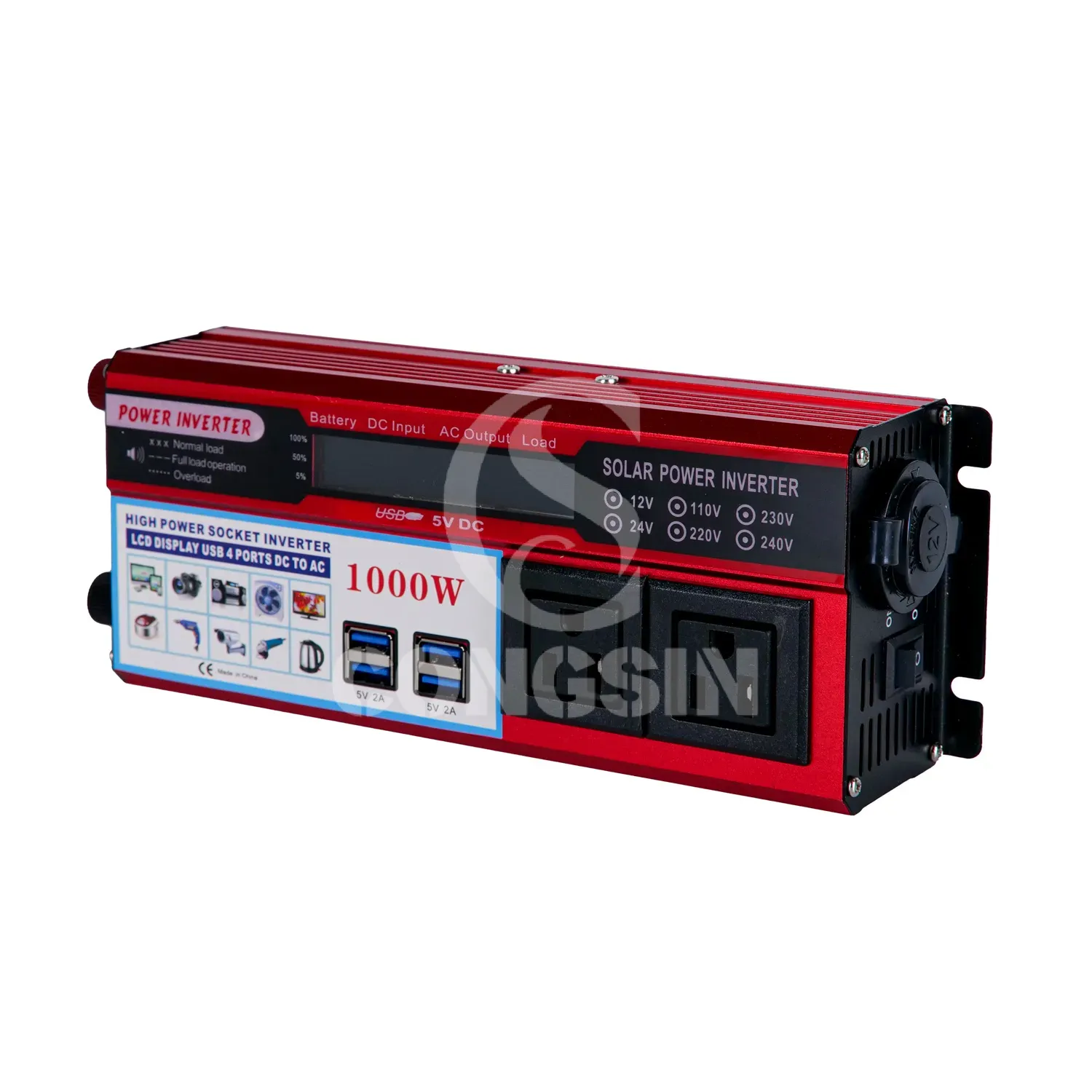
It is likely that the protection mechanism is triggered: 1. Load overload (total power of connected devices exceeds 1000W); 2. Abnormal input voltage (battery voltage <10.8V or >14.5V); 3. Device overtemperature (excessively high ambient temperature or cooling fan failure). It is recommended to disconnect some loads, check the battery voltage or clean the heat dissipation port before trying again.
Modified Sine Wave Inverters
Which plug types are supported by the universal socket?
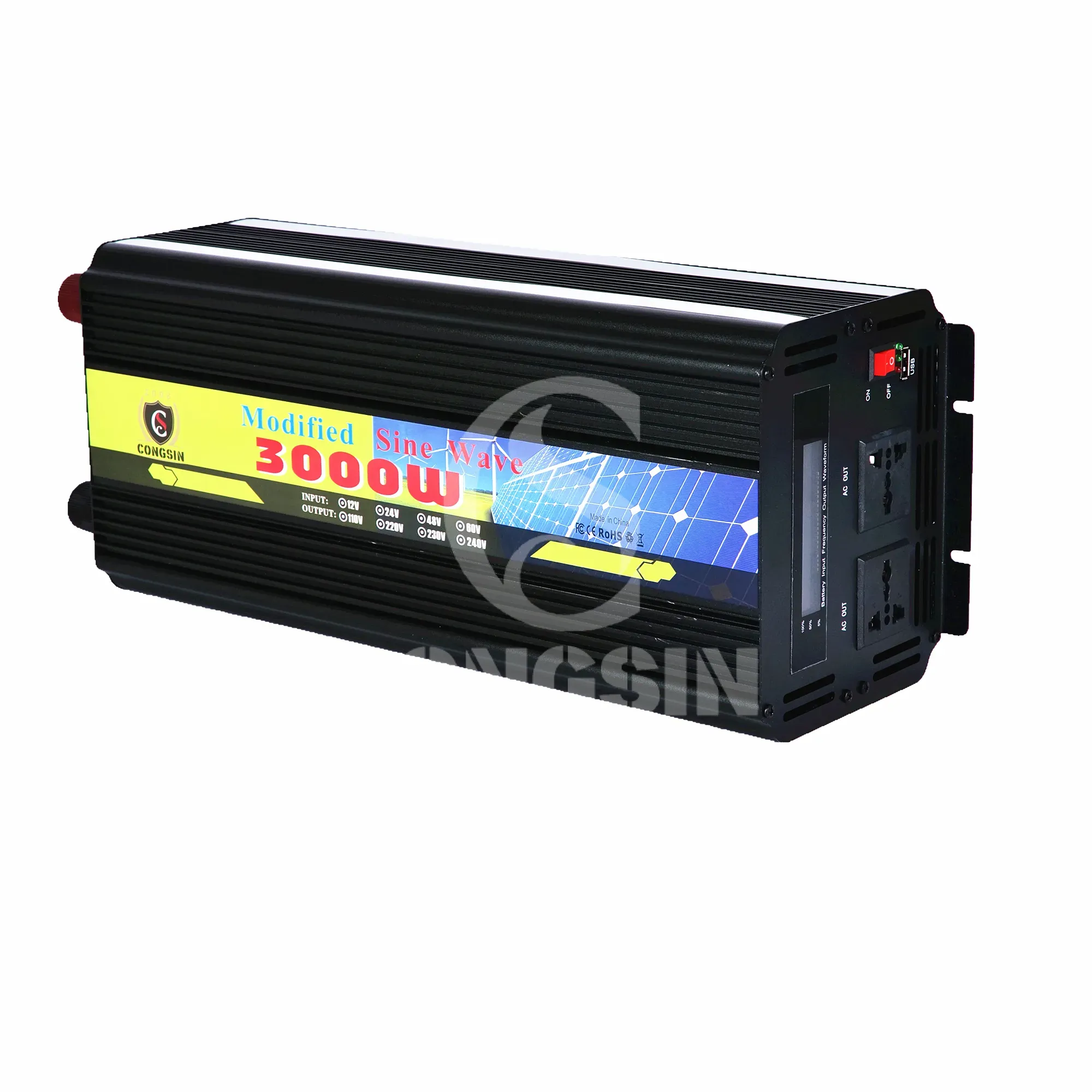
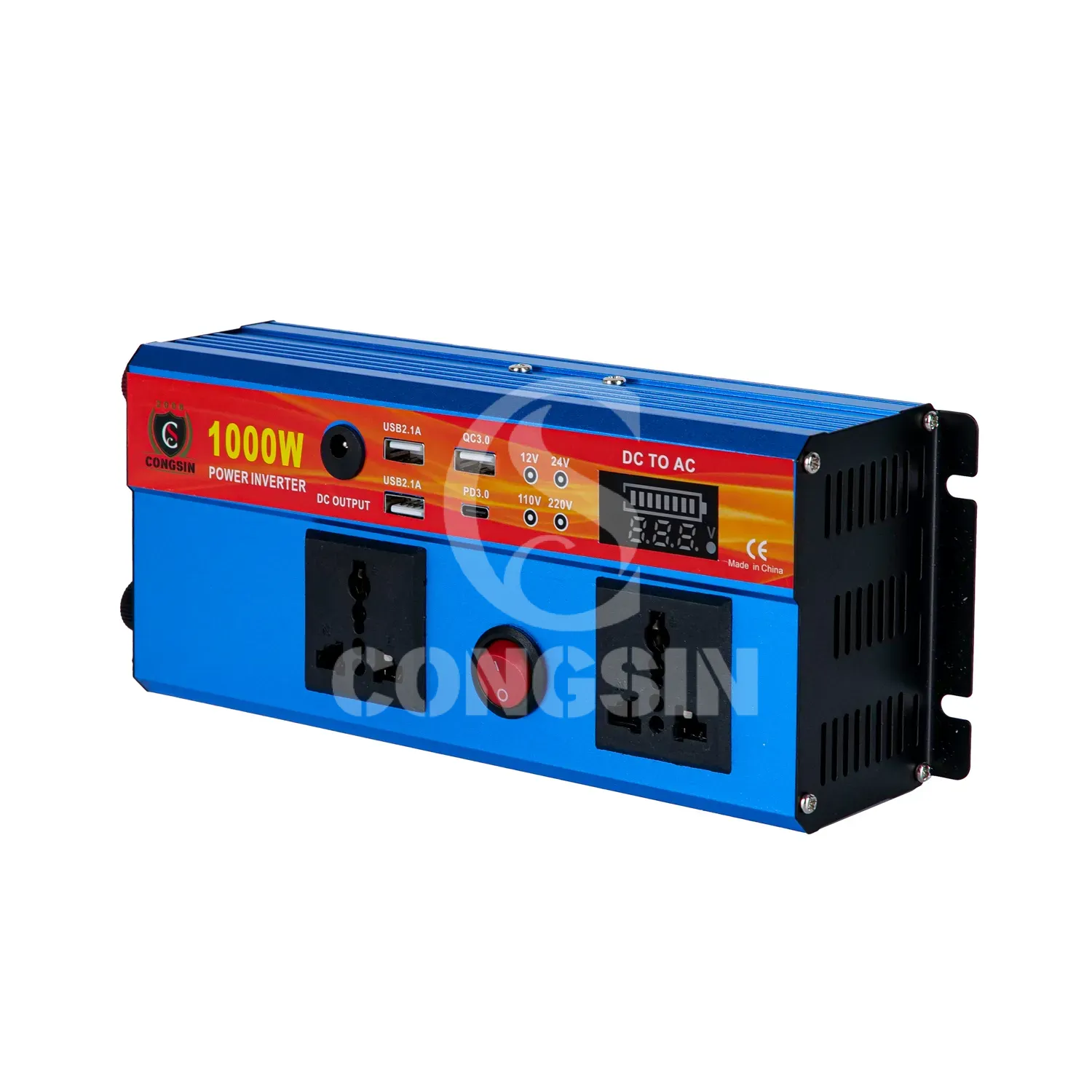
The universal socket is compatible with most national plug specifications, such as GB, US, EU, etc., and can meet the use of devices in different regions (some require adapters).
Does it have protection features?
Yes, it includes overload, overheat, and short-circuit protection.
What is the working principle of the UPS function?
When the external power supply is normal, the inverter powers the device and charges the battery; when the external power supply is interrupted, it automatically switches to battery power to ensure uninterrupted operation of the device.
What devices can this inverter power?
Rated for 600W, peak 1000W. Recommended to use devices under 80% of rated capacity.
Get in Touch with Our Team
You can also communicate with us directly through our online contact form. Please fill in the following information, and our team will contact you as soon as possible after receiving your message.

CONGSIN is a trusted OEM factory for power inverters, solar charge controllers, and DC converters. Reliable solutions for global B2B buyers.
 High Quality
 7/24 Service
 Guaranteed Warranty
© 2025 Congsin. All Rights Reserved.